
In an emergency, every second matters. Knowing CPR and essential health skills can help save lives when it matters most. These skills give you the power to act fast and with confidence.
From helping someone who cannot breathe to stopping bleeding, being prepared makes a big difference. This guide shares the key skills everyone should learn. With the right knowledge, you can be prepared to protect yourself and others.
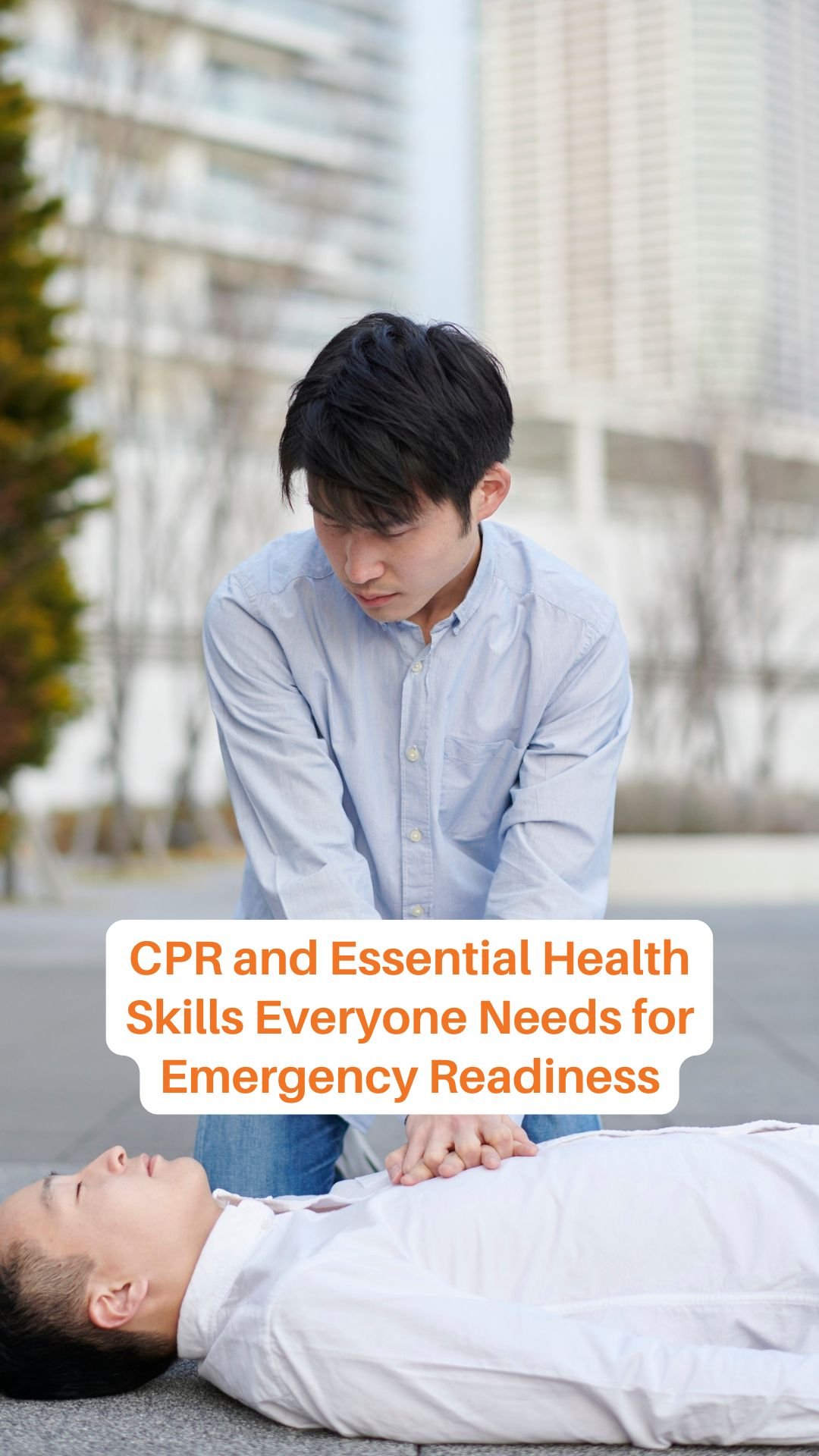
CPR: A Lifesaving Must
CPR is one of the most important lifesaving skills you can learn. It helps keep blood flowing when someone's heart has stopped. Early CPR increases the chance of survival until medical help arrives.
Practicing CPR also teaches you how to stay calm under pressure. It gives you a clear plan when seconds matter. Anyone can learn CPR with the right training.
Recognizing Stroke Symptoms
Stroke is a health emergency that requires quick action. Common stroke symptoms include sudden numbness, trouble speaking, and weakness in one side of the body. Acting fast can limit brain damage and save a life.
Learning to identify the signs is a skill that everyone should know. Remember the acronym FAST: Face, Arms, Speech, and Time. The sooner you act, the better the outcome for the person in need.
Basic First Aid Techniques
Cuts, burns, and sprains are common injuries. Knowing basic first aid techniques helps you give quick care before professionals arrive. Simple steps like cleaning wounds and applying bandages can prevent infection.
These skills also help manage shock and reduce panic. They provide comfort to the injured person while waiting for help. Even small actions can make a big difference.
Using an AED
An automated external defibrillator (AED) can restart a heart. Learning how to use one is essential for emergency readiness. Many public places have AEDs, so knowing how they work is important.
Using an AED is straightforward. Most devices give verbal instructions to guide you through the process. You can visit https://cprcertificationnow.com to find training for AED use and increase your confidence.
Controlling Bleeding
Severe bleeding can be life-threatening. Applying firm pressure with a clean cloth or bandage can slow blood loss. In some cases, a tourniquet may be necessary.
Knowing how to act fast can save lives in accidents or disasters. Training teaches you when and how to use these methods. It is an important part of health emergency preparedness.
Choking Response
Choking is a common emergency, especially during meals. A quick response is needed when someone cannot breathe or speak. The Heimlich maneuver is an effective way to clear the airway.
For infants and children, the steps are different but equally important. Training covers how to apply safe techniques for all ages. These skills give you the power to help when it matters most.
Stay Prepared with CPR and Essential Health Skills
CPR and essential health skills give you the power to act in an emergency. They help you stay calm and take the right steps when time is critical. These skills are not hard to learn, but they can save lives. From CPR to first aid, each one adds to your readiness.
With training, you can protect family, friends, and even strangers. Being prepared makes a real difference. Stay ready, stay confident, and always value these important skills.
Did you find this article helpful? Visit more of our blogs.
Leave a Reply