
If you have ever settled into bed after a great dinner only to be woken up by a harsh, burning sensation in your chest, you know exactly how frustrating acid reflux can be. That uncomfortable rise of stomach acid into the throat can easily ruin a good evening or a solid night's sleep.
While lifestyle factors like eating too close to bedtime or stress play a huge role, what you put on your plate is often the primary trigger.
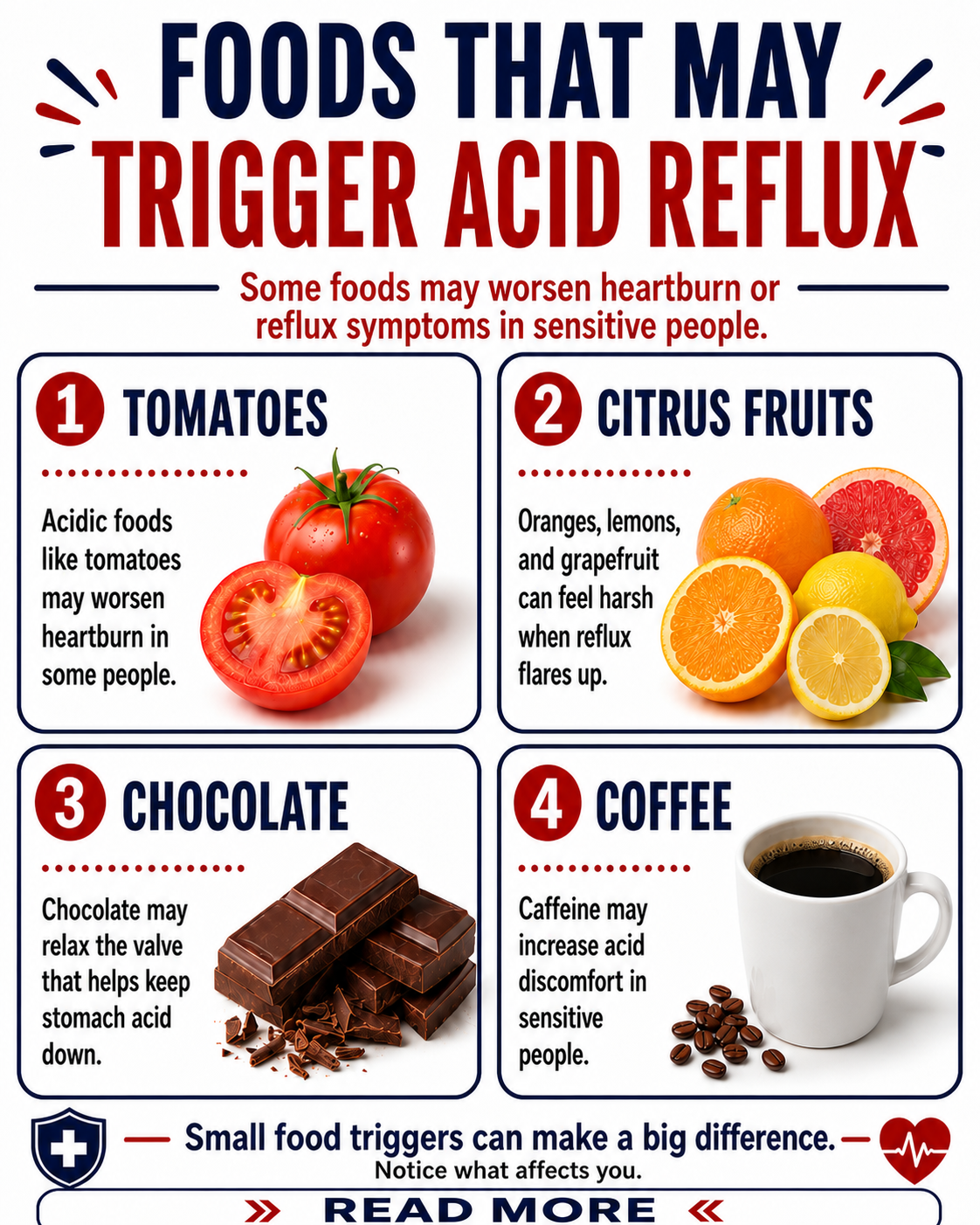
The underlying culprit behind this discomfort is usually the lower esophageal sphincter (LES). Think of the LES as a tiny muscle ring that acts as a one-way valve between your esophagus and your stomach. It is supposed to open when you swallow food, then tightly close to keep digestive juices downstairs. However, certain foods can either prematurely relax this valve or prompt your stomach to produce way too much acid.
If you are trying to soothe your digestive system, here are 12 common trigger foods you might want to scale back on, along with easy adjustments to keep your meals satisfying.
The Top 12 Acid Reflux Triggers
1. French Fries and Deep-Fried Foods
Fried foods are heavily loaded with dietary fats. High-fat meals take a significantly longer time to digest, meaning they sit heavily in your stomach. This delayed stomach emptying puts sustained, upward pressure on your LES, giving stomach acid a much wider window to creep backward into your throat.
- The Swap: Swap out the deep fryer for the oven. Tossing potato wedges in a tiny bit of olive oil and baking them until crisp satisfies the craving without overwhelming your digestion.
2. Fatty Cuts of Red Meat
Just like fried items, heavily marbled steaks, ribeyes, and processed meats like sausage or bacon are packed with saturated fats. They slow down your entire digestive tract and relax the esophageal valve.
- The Swap: Focus on lean proteins. Skinless chicken breast, turkey, and wild-caught fish are much easier on your stomach and digest quickly.
3. Tomatoes and Marinara Sauce
Tomatoes are incredibly nutritious, but they are also naturally packed with citric and malic acids. When you consume highly acidic foods, they add to the acid load already present in your stomach. Processed variations like pasta sauces, pizza toppings, and ketchup tend to concentrate these acids, making them major heartburn culprits.
- The Swap: If you are making pasta, try a light sauce made of olive oil, fresh garlic (if tolerated), and fresh herbs like basil, or opt for a mild cream sauce made with low-fat dairy.
4. Oranges, Grapefruits, and Citrus Juices
A cold glass of orange juice or a morning grapefruit can feel like a healthy start to the day, but their high acid content can directly irritate a sensitive or mildly inflamed esophageal lining.
- The Swap: Reach for low-acid fruits that actually help soothe the stomach. Bananas and melons (like cantaloupe or honeydew) are highly alkaline and act as natural buffers against excess acid.
5. Chocolate
This is a tough one for many, but chocolate is a triple threat for acid reflux. It contains high amounts of fat, cocoa naturally triggers the release of serotonin (which relaxes the LES muscle valve), and it contains small amounts of methylxanthines compounds that further weaken the valve's closing power.
- The Swap: If you absolutely need a sweet fix, try a small piece of low-fat angel food cake, or look into carob-based sweets, which offer a similar flavor profile without the chemical triggers.
6. Coffee and Espresso
Whether it is caffeinated or decaf, coffee has been shown to reduce the resting pressure of the lower esophageal sphincter. On top of that, the natural roasting process creates acids that can stimulate extra gastric secretions.
- The Swap: Switch to naturally low-acid cold brews, or trade your morning cup for a soothing herbal option like chamomile or ginger tea, both of which are renowned for calming inflammation in the gut.
7. Peppermint and Spearmint
While a mint after dinner is traditionally thought to aid digestion, it actually does the exact opposite if you suffer from reflux. Mint has a strong numbing and relaxing effect on muscles, including the LES valve. When that valve relaxes, stomach acid has an open invitation to rise.
- The Swap: Fresh basil, parsley, and rosemary offer bright, clean flavors for cooking without the muscle-relaxing properties of mint.
8. Raw Onions
Onions especially when eaten raw on salads or burgers contain fermentable fibers that can cause gas and bloating. This internal pressure pushes against the stomach walls and the LES. They also contain compounds that directly relax the esophageal sphincter.
- The Swap: Cooking onions thoroughly softens their fibers and tames the triggering compounds. Alternatively, you can use small amounts of chives or leeks for a milder onion flavor.
9. Garlic
Much like onions, garlic is a pungent allium that can cause gastrointestinal distress and trigger heartburn in sensitive individuals, particularly when consumed raw or in heavy concentrations in sauces.
- The Swap: Try flavoring your dishes with fresh ginger instead. Ginger has natural anti-inflammatory properties and has been used for centuries to tame nausea and acid indigestion.
10. Carbonated Beverages
The bubbles in sodas, seltzers, and sparkling waters don't just disappear when you swallow them. The carbon dioxide gas expands inside your stomach, causing bloating. This physical expansion creates a mechanical pressure that forces the LES valve to pop open, releasing gas and stomach acid upward.
- The Swap: Stick to plain, still water. If you want a bit of flavor, infuse your water pitcher with sliced cucumber or a few pieces of fresh blackberry.
11. Spicy Hot Sauces and Chili Powder
Spicy foods contain a fiery chemical compound called capsaicin. Research indicates that capsaicin can significantly slow down your rate of digestion. Furthermore, the heat can directly irritate an already raw or sensitive esophagus on the way down.
- The Swap: Focus on building flavor through aromatic, non-spicy herbs like thyme, oregano, cilantro, and a touch of sea salt or mild paprika rather than relying on heavy heat.
12. Whole Milk and Heavy Cheese
Full-fat dairy items like cheddar cheese, whole milk, cream cheese, and sour cream are rich and delicious, but their high fat content means they linger in the stomach for hours, keeping acid production high.
- The Swap: Look for low-fat or non-fat alternatives. Skim milk or low-fat Greek yogurt can actually help temporarily coat and soothe the stomach lining without triggering a massive digestive effort.
Quick Habits to Keep Reflux at Bay
Identifying your food triggers is a massive step forward, but how you eat is often just as vital as what you eat. To give your digestive system the best chance to heal, try incorporating these three simple daily habits:
- Eat Smaller, More Frequent Meals: Filling your stomach to maximum capacity forces the LES valve open simply due to volume. Eating smaller portions removes that mechanical pressure.
- Stay Upright After Eating: Let gravity do its job. Avoid the temptation to take a nap or lounge on the couch for at least two to three hours after a meal.
- Keep a Simple Food Journal: Because everyone’s body reacts uniquely, jotting down what you eat for a couple of weeks can help you pinpoint your personal "red flag" foods with total accuracy.
Disclaimer: While adjusting your diet can work wonders for occasional heartburn, frequent or severe acid reflux can be a sign of Gastroesophageal Reflux Disease (GERD). If you experience severe pain, difficulty swallowing, or rely on over-the-counter antacids multiple times a week, it is always a wise idea to consult with a healthcare provider.
Leave a Reply