
Managing blood sugar levels is a cornerstone of long-term health, yet many of us ignore the subtle (and sometimes not-so-subtle) signals our body sends when levels are out of balance. Because these symptoms can often be mistaken for stress, aging, or a lack of sleep, they frequently go unaddressed until they become chronic issues.
Recognizing these signs early is the first step toward taking control of your metabolic health. Here are 10 common warning signs that your blood sugar levels might be off and why you shouldn't ignore them.
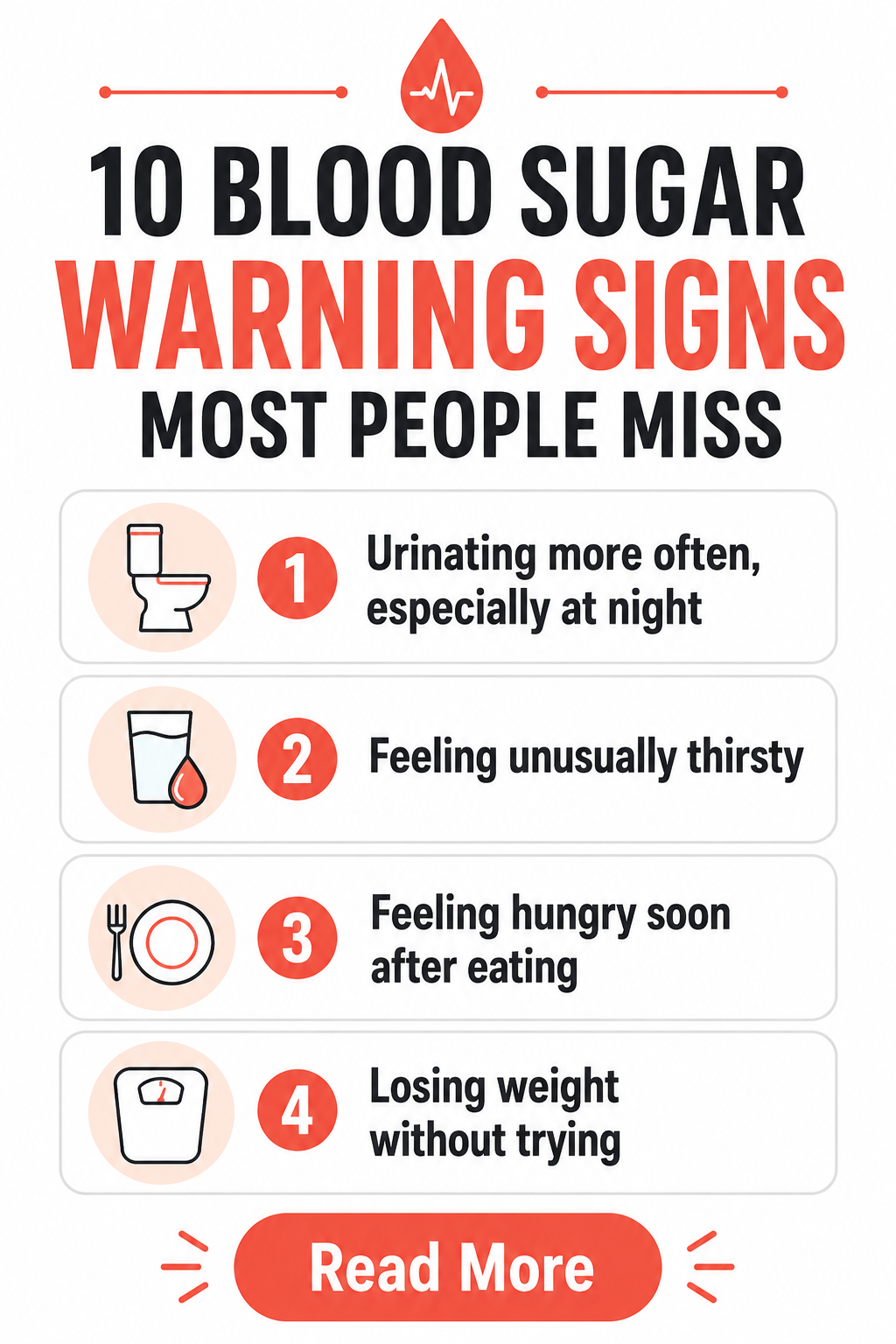
1. Urinating More Often, Especially at Night
When blood sugar levels are high, your kidneys work overtime to filter and absorb the excess glucose. When they can’t keep up, the sugar is excreted into your urine, dragging fluids from your tissues with it. This leads to increased urination, which is often most disruptive when it happens multiple times throughout the night.
2. Feeling Unusually Thirsty
Because you are losing so much fluid through frequent urination, your body quickly becomes dehydrated. This creates an unquenchable thirst, even if you feel like you are drinking a normal amount of water. If you feel like your thirst is excessive, it’s a red flag.
3. Feeling Hungry Soon After Eating
Even if you’ve just finished a meal, you might feel famished. This happens because high blood sugar prevents glucose from entering your cells efficiently to be used for energy. Your body, sensing a "fuel shortage" at the cellular level, signals you to eat more, creating a cycle of hunger and blood sugar instability.
4. Losing Weight Without Trying
If you are losing weight without a change in diet or exercise, it could be a sign that your body is failing to utilize glucose for fuel. Instead, it begins burning muscle and fat for energy because it cannot access the calories it consumes. While weight loss might sound positive to some, unexplained rapid weight loss is a serious metabolic symptom.
5. Constant Fatigue
Glucose is your body’s primary fuel source. When that fuel cannot get into your cells effectively, your body struggles to generate the energy you need to get through the day. This often results in a persistent, bone-deep exhaustion that doesn't go away even after a full night’s sleep.
6. Blurry Vision
High blood sugar can cause fluid to shift out of the lenses of your eyes. This changes the shape of the lens, affecting your ability to focus and resulting in temporary blurry or hazy vision. If you find your vision changing, it’s time to get it checked.
7. Cuts or Sores That Heal Slowly
High glucose levels can impair circulation and affect the immune system's ability to respond to injury. Consequently, minor scrapes, cuts, or blisters might take much longer than usual to close and heal, leaving them vulnerable to infection.
8. Frequent Skin, Urinary, or Yeast Infections
Sugar-rich environments are a breeding ground for bacteria and yeast. If you find yourself dealing with recurring skin infections, urinary tract infections (UTIs), or yeast infections, it may be because your body’s internal environment is helping these pathogens thrive.
9. Tingling or Numbness in the Hands or Feet
This is known as peripheral neuropathy. Over time, persistently high blood sugar can damage the delicate nerve endings throughout the body. The most common early signs are a "pins and needles" sensation, numbness, or tingling in the extremities.
10. Unusual Irritability or Mood Changes
Blood sugar swings can directly impact your brain. When levels are unstable, you may experience rapid mood changes, sudden irritability, or difficulty concentrating. Think of it as a "glucose crash" affecting your mental clarity and emotional stability.
When to See a Doctor
If you recognize these symptoms, do not panic, but do not ignore them. Many of these signs are your body’s way of asking for a check-up. Schedule an appointment with your healthcare provider to discuss your symptoms and request a blood glucose screening. Early intervention is the most effective way to protect your health and manage your blood sugar before it leads to further complications.
Disclaimer: This blog post is for informational purposes only and does not constitute medical advice. Always seek the advice of your physician or other qualified health provider with any questions you may have regarding a medical condition.
Have you noticed your body trying to tell you something lately? Prioritizing a check-up could be the most important thing you do for your health this year.
Leave a Reply