
If your energy feels sluggish, your digestion is hit-or-miss, or you’re dealing with constant bloating, the root cause might be sitting right in your gut.
Your GI tract is home to trillions of bacteria, fungi, and microbes collectively known as your gut microbiome. When these microbes thrive, they help regulate everything from your digestion and immune response to your skin clarity and mood.
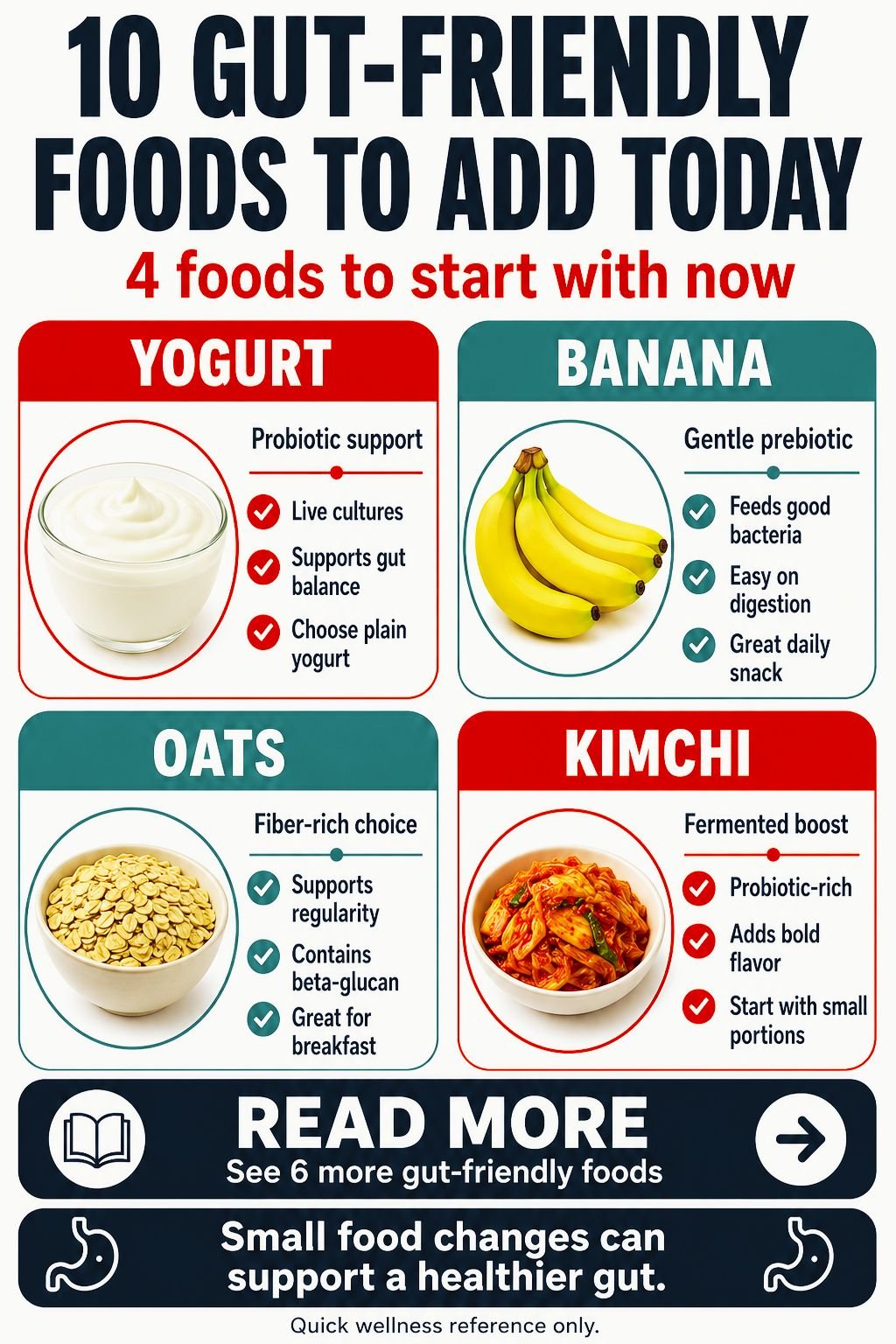
The secret to keeping them happy isn't a shelf full of expensive supplements; it's placing the right whole foods on your plate. Gut health essentially comes down to two main food categories:
- Probiotics: Live, beneficial bacteria found in fermented foods that help restock your gut lining.
- Prebiotics: Specialized plant fibers that act as "fuel" for those good bacteria to multiply.
Here are 10 rich, everyday foods you can start adding to your routine today.
The 10 Best Gut-Friendly Foods
1. Plain Milk or Water Kefir
Think of kefir as drinkable yogurt, but with a much higher concentration of active probiotic cultures. While traditional yogurt contains two to three bacterial strains, fermented kefir often packs up to 30 or more. It helps crowd out undesirable yeast and bacteria while calming intestinal irritation.
How to enjoy it: Use plain unsweetened kefir as the liquid base for your morning smoothie or pour it over whole-grain granola.
2. Garlic and Onions
These kitchen staples are packed with inulin, a non-digestible prebiotic fiber that passes through your stomach and feeds the Bifidobacteria living in your large intestine. When your good gut bacteria break down inulin, they produce short-chain fatty acids (SCFAs) like butyrate, which strengthen your intestinal lining.
How to enjoy them: Sauté them slowly as the base for soups, curries, and roasted veg dishes cooking them doesn't destroy their prebiotic perks.
3. Kimchi or Refrigerated Sauerkraut
Fermented cabbage delivers a powerful dual benefit: live probiotic microbes from the natural fermentation process, plus raw dietary fiber from the cabbage.
Shopping Tip: Skip the shelf-stable jars sitting in the middle aisles those have been heat-pasteurized, which kills off the live cultures. Look for raw versions in the refrigerated section labeled "contains live and active cultures".
4. Oats
Oats contain a soluble fiber called beta-glucan. As beta-glucan moves through your digestive system, it forms a soft gel that slows down glucose absorption, keeps you full, and feeds beneficial gut microbes.
How to enjoy them: Make overnight oats with rolled oats, a splash of milk or kefir, and a spoonful of chia seeds.
5. Blueberries and Raspberries
Berries are loaded with polyphenols—plant compounds that act like antioxidants. Since human digestive enzymes can only break down a fraction of polyphenols, the rest travel straight down to the colon, where gut microbes feed on them and transform them into anti-inflammatory compounds.
How to enjoy them: Keep a bag of frozen berries in your freezer to toss into oatmeal, yogurt, or chia pudding.
6. Miso
Miso is a traditional Japanese paste made by fermenting soybeans with salt and a fungus starter called koji. It is full of enzymes and beneficial bacteria, along with a deep, savory umami flavor.
How to enjoy it: Whisk a spoonful into salad dressings, or stir it into warm water with seaweed and tofu for a quick restorative soup. (Pro tip: don't boil miso directly over high heat, as high temperatures kill the friendly probiotics).
7. Apples (With the Skin On)
An apple a day really does keep your digestive tract happy. Apples contain pectin, a type of prebiotic soluble fiber that increases short-chain fatty acid production in the gut.
How to enjoy them: Keep the skin on! Most of the pectin and polyphenol antioxidants are concentrated right in the apple peel. Slice and pair with natural peanut or almond butter.
8. Lentils and Chickpeas
Legumes are double-duty performers for gut health. They pack both soluble fiber and resistant starch a type of carbohydrate that resists breakdown in the upper GI tract and ferment slowly in the colon.
How to enjoy them: Toss drained, rinsed canned chickpeas into green salads, or simmer red lentils with garlic and turmeric for a quick midweek stew.
9. Chia Seeds
When chia seeds mix with liquid, they form a gelatinous coating. This mucilage fiber helps lubricate the digestive path, keeping bowel movements regular while providing a steady fuel source for your microbiome.
How to enjoy them: Whisk 2 tablespoons of chia seeds into ½ cup of almond milk with a drop of vanilla extract, let it set overnight, and top with fresh berries for an easy breakfast.
10. Extra Virgin Olive Oil
Good gut health isn't just about fiber and probiotics healthy fats play an important role, too. High-quality extra virgin olive oil contains polyphenols and monounsaturated fatty acids that lower gut inflammation and support a diverse microbial environment.
How to enjoy it: Drizzle raw extra virgin olive oil over cooked vegetables, grain bowls, or fresh tomato slices instead of cooking with high-heat vegetable oils.
Quick Reference: Probiotics vs. Prebiotics
| Food | Category | Primary Benefit |
| Kefir, Kimchi, Miso | Probiotic | Delivers live, beneficial bacteria directly to your gut. |
| Garlic, Onions, Apples | Prebiotic Fiber | Feeds and nourishes the good microbes already in your gut. |
| Oats, Lentils, Chia | Soluble Fiber | Promotes regular elimination and supports bowel lining integrity. |
| Berries, Olive Oil | Polyphenols | Reduces inflammation and encourages microbial diversity. |
How to Start (Without Causing Bloating)
If your gut isn't used to a high-fiber or fermented diet, going "all in" on day one can cause temporary gas and bloating.
- Go slow: Pick two foods from this list to add this week (e.g., adding a spoonful of kimchi to lunch and drinking a glass of kefir).
- Hydrate well: As you step up your fiber intake, make sure you drink plenty of water so the fiber can move smoothly through your digestive system.
Leave a Reply